Compassionate Home Care Services: Enabling Loved Ones in Their Own Space
Compassionate home care services offer crucial assistance for individuals wishing to remain in their familiar surroundings. These services cater to diverse needs, spanning daily help to specialized medical care. By prioritizing emotional well-being and maintaining dignity, caregivers foster valuable relationships with family. Yet, many stay uninformed of the full spectrum of benefits that home care can provide. Understanding these aspects is vital for making informed decisions about care options. What lies ahead in this investigation?

Essential Information About Home Care Services
Home care assistance serve an important role in aiding individuals who need assistance due to age, illness, or disability. These offerings include a range of personalized care plans, encompassing medical and non-medical support customized to individual requirements. Care includes help with daily tasks such as bathing, dressing, and meal preparation, along with skilled nursing services like medication management and physical therapy.
Families regularly look for home care to enable their loved ones to stay in comfortable environments while getting the necessary support they require. It can deliver significant relief for family caregivers, who may find it difficult to balance work and personal responsibilities. Grasping the range of home care services on offer is vital for making sound choices. Evaluating the specific needs of the individual and investigating local service providers can help families choose the right care plan, making certain that their loved ones receive compassionate and effective support at home.
Primary Perks of Home Care for Older Adults
Home care services provide major perks for seniors, highlighting their independence and personal worth. Individualized care plans confirm that unique needs are satisfied, promoting a better quality of daily life. Additionally, receiving aid in a familiar place can strengthen psychological well-being and satisfaction.
Improved Self-Reliance And Self-Worth
Many seniors encounter a yearning for autonomy as they grow older, making increased autonomy a important component of in-home care. By obtaining care in their familiar surroundings, seniors can maintain control over their daily routines and personal choices. This strategy fosters a sense of dignity, allowing them to participate in pursuits that promote well-being and self-esteem. Home care services empower seniors to engage in care decisions about their treatment while providing assistance with daily tasks, ensuring they can live as autonomously as they can. Additionally, the companionship of a care worker can alleviate loneliness, enabling seniors to maintain social connections and pursue interests. Ultimately, home care services boost both self-reliance and dignity, contributing positively to seniors' overall quality of life.
Individualized Care Approaches
Personalized care blueprints play a vital role in maximizing the effectiveness of home care services for seniors, as they cater to individual needs and preferences. These tailored plans consider each senior's unique medical history, lifestyle choices, and personal goals, ensuring that care is both pertinent and adequate. By focusing on specific requirements, caregivers can provide targeted support, uplifting the quality of life for seniors. Additionally, personalized care plans facilitate better communication between caregivers and families, fostering a shared approach to care. This alignment not only builds trust but also empowers seniors to take an active role in their own care journey. Fundamentally, personalized care plans are essential in delivering compassionate, effective home care tailored to each individual’s circumstances.
Known Surroundings Advantages
While adjusting to new surroundings can be difficult for seniors, getting support in a familiar environment offers numerous advantages. Staying in their own homes allows seniors to preserve a sense of autonomy and control over their daily schedules. Comfortable settings can decrease anxiety and confusion, fostering a sense of security and comfort. Furthermore, home care allows seniors to remain close to cherished memories and personal belongings, which can enhance emotional well-being. Social connections are also strengthened, as they can easily receive visits from family and friends. Also, caregivers can tailor support to fit their unique environment, guaranteeing that assistance aligns with the senior's specific needs and preferences. Overall, home care fosters a holistic approach to well-being in a comforting space.
Home Care Service Sectors
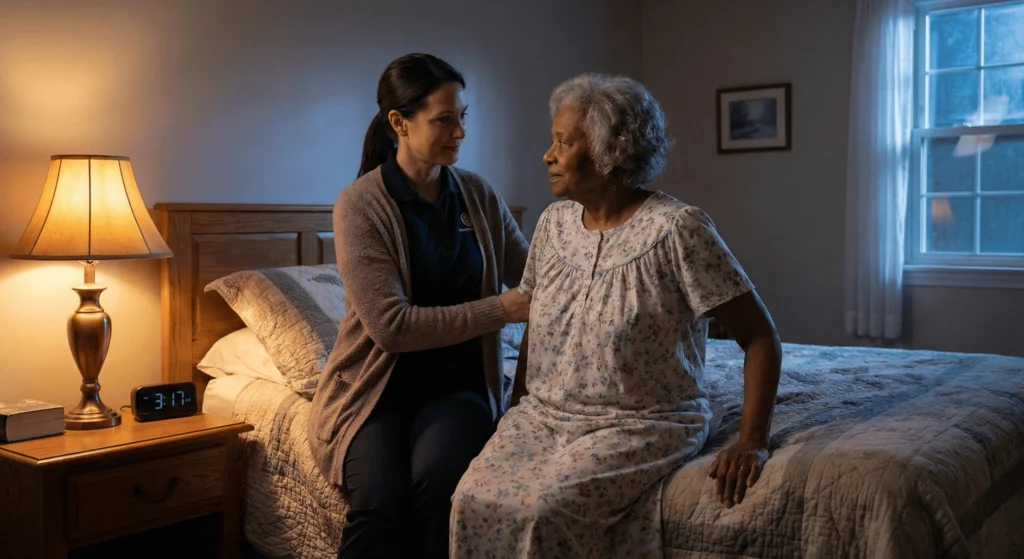
Home care offerings include a range of types designed to meet varied individual needs. These services can generally be categorized into non-medical and medical care. Non-medical home care typically includes assistance with daily living activities, such as personal hygiene, meal preparation, and companionship. Caregivers may also help with light housekeeping and errands, promoting a comfortable and supportive environment.
By contrast, residential healthcare services comprises trained professional services provided by licensed professionals. This may include medical nursing, movement therapy, and treatment administration, modified for individuals with specific health conditions. Additionally, dedicated care programs encompassing comfort-oriented care fulfill the requirements of those with recurring health problems, underlining the importance of comfort and quality of life.
Picking the Most Suitable Home Care Organization
How can one guarantee they select the most suitable home care provider? The procedure starts with determining specific needs, as needs can vary greatly among individuals. Conducting comprehensive research is essential; potential customers should explore different providers and their offerings. Web-based reviews and testimonials can offer insights into the standard of care provided.
Furthermore, conversations with potential caregivers are crucial. These discussions allow families to assess fit, assess communication styles, and outline service methods. It is also fundamental to inquire about the qualifications and training of care professionals, guaranteeing they have the required abilities and qualifications.
Moreover, comprehending the money matters, including payment selections and insurance coverage, is significant to avoid unexpected expenditures. Finally, trust and comfort are fundamental; families should remain confident that their loved ones will obtain kind, consistent care in their own homes.
General Falsehoods Concerning Home Care Support
Countless individuals hold false notions about home care services, particularly regarding their cost and range. It is often believed that home care is extremely expensive and gives narrow services. Tackling these false notions is crucial for an improved understanding of what home care can offer.
Home Care Costs Are High
Dispelling the idea that home care services are prohibitively expensive demonstrates a more layered reality. While some may consider the costs as high, it's important to consider the benefit provided. Home care can frequently be more economical than options such as nursing homes or assisted living facilities, particularly when taking into account the costs tied to relocation and supplementary services. Moreover, many families discover that home care supports their loved ones' self-reliance, conceivably deferring the need for more intensive care. Insurance plans, public programs, and support options can additionally reduce expenses. Appreciating the extensive benefits of home care can transform viewpoints, rendering it a practical option for those pursuing quality support in a comfortable space.
Limited Service Range Provided
contesting the idea
Families Participating in Home Care
Engaging in home care requires families to take an involved role in their loved one's health. This participation can manifest through regular communication and collaboration with caregivers to guarantee that care plans match the individual’s needs. Families should participate in daily routines, assisting with meals, medication management, and personal care tasks when possible.
Additionally, families can create a nurturing setting by encouraging social engagement and taking part in community activities together. Establishing a consistent schedule for appointments can help to monitor the family member's progress and modify care strategies as necessary.
Moreover, families are advised to educate themselves about specific health conditions, which can increase their ability to give informed support. By remaining engaged, families not only contribute to their loved one's physical health but also promote emotional well-being, creating a warm environment that fosters autonomy and dignity in the in-home care setting.
Remarkable Accounts in Home Care
While the hurdles of home care can be significant, many families have uncovered remarkable success stories that illustrate its likely rewards. One such story involves the Johnson family, who successfully implemented in-home care for their older mother, permitting her to continue in her treasured environment. The dedicated care assistant delivered not only personal assistance but also social connection, which markedly enhanced her mental health.
Another inspiring case is the Garcia family, who encountered the intimidating responsibility of managing their son's intricate medical needs at home. With the support of experienced home care professionals, they created a caring atmosphere that encouraged independence and growth. Their son flourished, achieving milestones formerly thought unattainable.
These uplifting examples confirm that, with fitting assistance, care provided at home can improve the life quality for both people and their loved ones, making cherished memories while protecting dignity and comfort in accustomed environments.
Popular Questions Posed Often
What Are the Payment Methods for Residential Care Services?
Individuals can fund home care programs through personal savings, long-term care insurance, Medicaid, or Medicare, based on eligibility. Assessing various funding options guarantees that families find suitable financial solutions for vital care support.
Are Pets Adaptable with Home Care Services?
Services for home care can frequently accommodate pets, based on the company's procedures. It's necessary for families to talk through specific needs and arrangements with the company to maintain a comfortable environment for both the individual and their pets.
What Qualifications Do Care Workers Commonly Have?
Caregivers typically hold qualifications in healthcare or personal care, training in life-saving techniques and CPR, and often have expertise in aging population care. Many also undergo security screenings and get targeted education to address individual client needs.
How Can I Minimize Caregiver Turnover?
To manage caregiver attrition, one should focus on enhancing dialogue, providing competitive wages, delivering ongoing training, and fostering a supportive work environment. These strategies can improve staff stability and motivate caregivers to stay dedicated long-term.
Is In-Home Care Available for Younger Adults?
Yes, at-home support is offered for younger adults. discussion Many agencies present customized services to address the specific demands of this demographic, delivering support for various conditions, such as disabilities, chronic illnesses, or surgical healing.